

水引
[mizuhiki]
Each knot carries a meaning—connecting hearts through tradition, nature, and intention.


History[歴史:Reki shi]
Mizuhiki traces its origins back over 1,000 years to ancient Japan.
From the beginning, it was more than decoration
—it carried spiritual meaning:
to bind what is sacred, and to purify through water.
Over time, this quiet tradition evolved into refined beauty.
In the imperial courts, gift-giving rituals became more elegant, and Mizuhiki developed into a form of symbolic art.
By the Edo period, it had spread into everyday life.
Different knots and colors came to express specific meanings
—for celebrations, farewells, and seasonal gifts—
turning each gesture into something deeply intentional.
What began as a ritual became a language of connection.

Mizuhiki is
crafted from washi paper, tightly twisted into fine cords and strengthened with water-based glue.
Its beauty comes from nature itself
—pure water and strong plant fibers such as kozo, which give the cord both flexibility and durability.
As Japan’s papermaking culture flourished, Mizuhiki evolved alongside it
—from handcrafted art to a refined craft, and eventually into a widely appreciated cultural product.
Today, Mizuhiki lives on in many forms—from traditional gift wrapping to contemporary jewelry and interior design—while preserving its timeless essence.
At its heart, Mizuhiki reflects a uniquely Japanese sensibility:
water as purification and renewal,
paper as a gift from nature,
and knots as a symbol of human connection.
Materials & The Beauty of Nature
[素材と自然美:sozai to shizen bi]


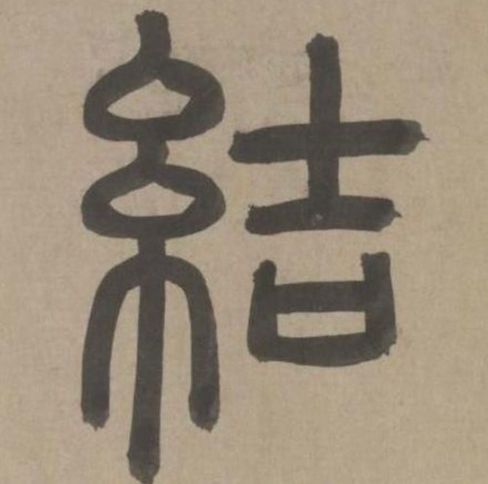
To Tie & Connect
[結び:musu bi]
In Japanese, the word Musubi [結び]carries more than one meaning.
It means “to tie” — but also “to connect.”
To tie a knot is a simple, physical act.
But in Japanese culture, it is also a quiet expression of something deeper
—a way of bringing people together, of linking hearts and intentions.
Mizuhiki knots embody this idea.
Each knot is carefully formed, not only to hold its shape, but to hold a meaning:a wish for connection, a gesture of care, a thread of gratitude.
When you tie a Mizuhiki knot, you are not only shaping a cord—
you are creating a connection.
A connection between people.
Between hearts.
Between a moment and a memory.
Musubi is the art of tying— and the beauty of being connected.